
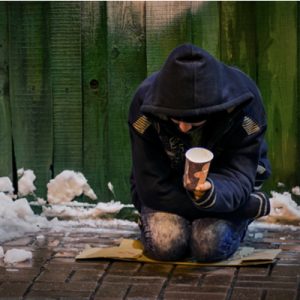
How Religious Groups May Use Their Facilities to Help the Homeless During the Pandemic
An increasing number of state and local governments are issuing “shelter-in-place” or “stay-at-home” orders. But what does that mean for those who have no shelter

An increasing number of state and local governments are issuing “shelter-in-place” or “stay-at-home” orders. But what does that mean for those who have no shelter
Media Contacts: Barbara Fornasiero, EAFocus Communications; barbara@eafocus.com; 248.260.8466; Daniel Dalton; ddalton@daltontomich.com; 248.229.2329 Detroit—March 4, 2020—Daniel Dalton and Zana Tomich, co-founders of Detroit-based land use and
Any attorney who has appealed a land use or zoning decision in Michigan knows that courts are hesitant to overturn the decisions of local ZBAs
Winning a recommendation of approval from a local planning commission comes down to a few key areas, as planning commission veteran and land use and
Restrictive covenants, sometimes called “deed restrictions,” restrict the free use of land and are generally disfavored by courts. They are however generally enforceable, as Detroit-based
In Illinois, zoning has become one of the most important considerations for any business or organization with plans to relocate, expand or develop a property.
Today we filed suit on behalf of Shawnee Mission Unitarian Universalist Church against the City of Lenexa, Kansas, who, has used zoning to deny the
The typical zoning ordinance is written in such a way as to encourage different kinds of developments to follow a one-size-fits-all approach. Realizing this problem,
Recorded about 80 years ago, the dedication language in a plat became the subject of a lawsuit which made it the Michigan Court of Appeals
When a government regulation restricts an institution’s religious exercise, the government will often argue that the restricted activity is either not religious or not central
Please note that this website may be considered attorney advertising in some states. Prior results described on this site do not guarantee similar outcomes in future cases or transactions.