Who gets decide what “religious exercise” is within the parameters of RLUIPA?
A governmental entity has a very limited role when it comes to determining if a plaintiff is “religious enough,” or engaged in “religious activity,” for purposes of RLUIPA

A governmental entity has a very limited role when it comes to determining if a plaintiff is “religious enough,” or engaged in “religious activity,” for purposes of RLUIPA

Church mergers, often driven by pastoral transitions, are becoming increasingly common. And while the reasons are complex and varied, one unexpected trigger is emerging – senior pastor transitions.

Change is inevitable, even for our beloved faith communities. And one of the most significant transitions a church can experience is the departure of its senior pastor. It’s a time of mixed emotions – gratitude for the outgoing pastor’s contributions, sadness at their leaving, and uncertainty about the future. But with careful planning and open communication, a senior pastor transition can be an opportunity for growth and renewal.

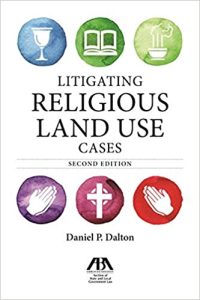
When litigating religious land use cases, it is important to look at state religious freedom restoration acts and add them as a claim to case

any churches that have disaffiliated from the United Methodist Church have done so without legal counsel. The choice to leave without the assistance of an attorney may have been due to timing, cost or simply a decision by leaders that they could complete the process on their own. While the local church may have saved money on legal fees through the process, they may not have set themselves up for success in the future. Considering this, now may be the right time to review your corporate documents with legal counsel to see if your local church is fully protected.

In a potentially groundbreaking case, the Ninth Circuit Court of Appeals has ruled that a church member may proceed with a lawsuit to recover donations when a denomination fraudulently told its members that it was using tithes and offerings for charitable means, when in fact the funds were used for a commercial enterprise.

Now that the window of time for permissive disaffiliation has been closed, many local churches who have been prevented from leaving have asked is there are any options for them to leave. The answer is generally, yes.

Disaffiliation is the process of a church leaving a denomination. In the case of the UMC, disaffiliation means that a church is no longer bound by the UMC’s Book of Discipline. This means that the church is free to set its own theological policies on biblical issues .

As a law firm focusing on helping property owners and developers in land use and zoning in Michigan and Illinois we are here to guide you through the intricate journey of solar farm development.

On Friday October 13, 2023, the Wayne Law Review of Wayne State University School of Law is hosting a symposium on the Evolution of Religious
Please note that this website may be considered attorney advertising in some states. Prior results described on this site do not guarantee similar outcomes in future cases or transactions.